SDS solutions
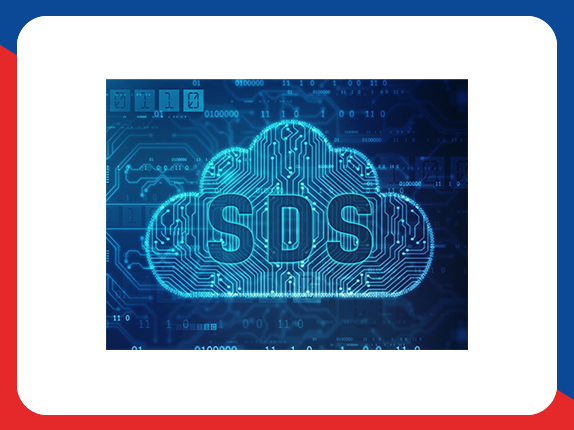
Software-defined storage (SDS) is a new approach to data storage that uses software to abstract physical storage resources such as disks, drives, and arrays. This allows IT administrators to manage their storage in a more flexible, scalable and efficient way.
Advantages of SDS
- Flexibility: SDS lets you use a wide variety of storage devices, including traditional hard drives, solid state drives (SSDs), and cloud storage.
- Scalability: SDS allows you to easily increase your storage capacity by adding new devices.
- Performance: SDS can help you improve application performance by using features such as caching and data deduplication.
- Cost savings: SDS can help you save money by using standard storage hardware instead of dedicated storage devices.
Use cases of SDS
- Primary storage: SDS can be used to store application data such as databases, web applications, and files.
- Secondary storage: SDS can be used to store backup, archive and passive data.
- Cloud storage: SDS can be used to connect to cloud storage services such as Amazon S3 and Microsoft Azure Blob Storage.
Why choose SDS?
If you’re looking for a way to make your storage more flexible, scalable, efficient, and cost-effective, SDS may be the right choice for you.
Where to get SDS?
SDS is offered by a wide variety of providers, including VMware, Nutanix, Simplivity, and Red Hat.
For more information
To learn more about SDS, please visit the following websites:
- VMware vSAN
- Nutanix
- Simplicity
- Red Hat Ceph
Note: SDS is a relatively new technology and has not yet fully matured. Some experts believe that SDS will eventually replace traditional storage, while others believe that the two will co-exist. Regardless of the future of SDS, it is a growing technology that will likely continue to be important for years to come.